Somatic Semantics
Philosophy, Jungian Psychology, Human Design
Somatic Semantics
What, exactly, is “Somatic”?
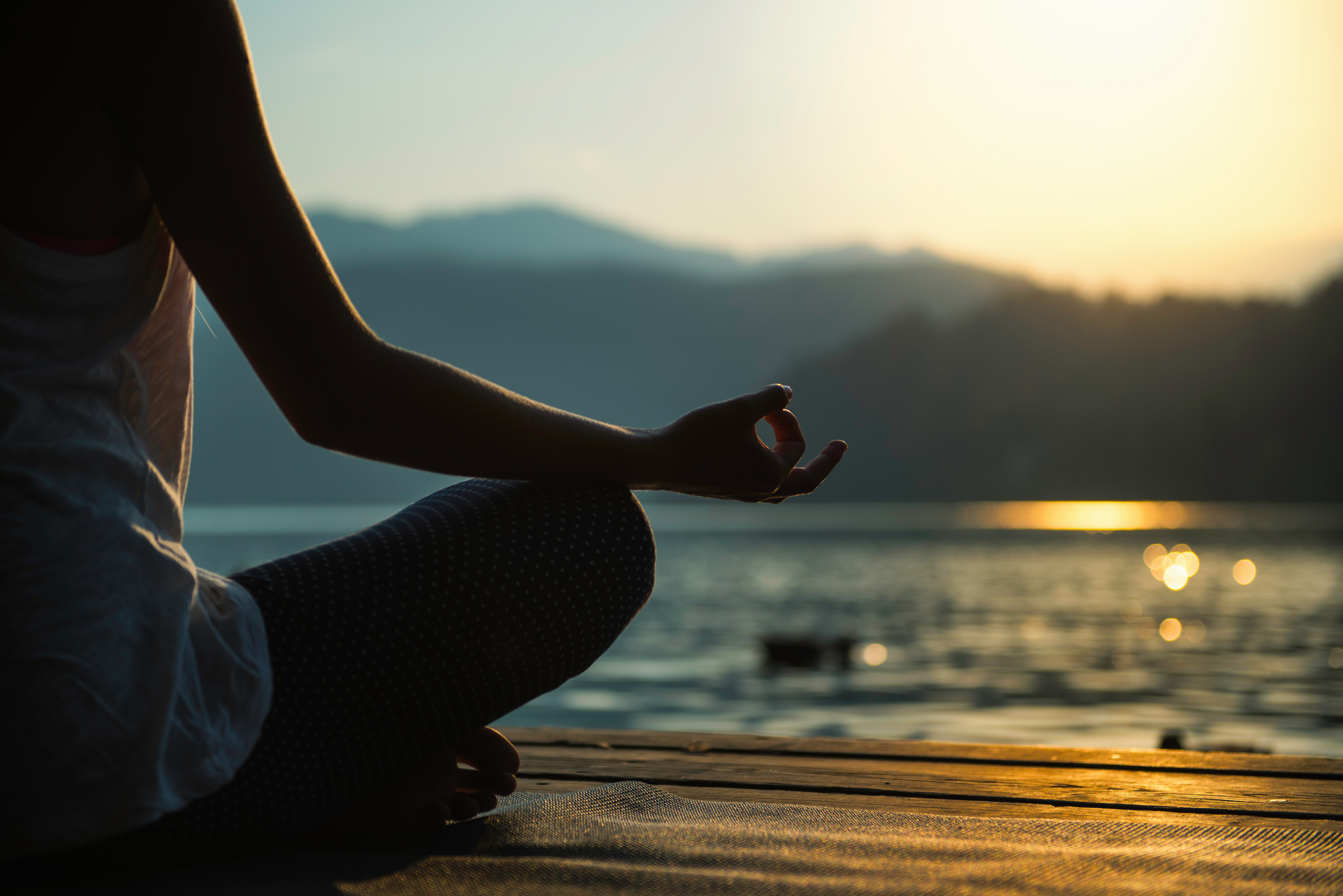
The word “somatic” means “relating to or affecting the body, especially the general body cells or the wall of the body”. Interestingly enough, “somatic” is an adjective; when coupled with various nouns, the meaning changes in some pretty interesting ways! Yoga and dance are considered “somatic movements”. But “somatic behavior” refers to physical actions or responses that are influenced by emotional or psychological factors, manifesting as physical symptoms without a cause. “Somatic pain” relates to issues with the musculoskeletal bodily system, whereas “somatic therapy” is a psychotherapeutic approach that focuses on the mind-body connection to heal trauma. Even in Dungeons and Dragons, “Somatics” are referred to in the descriptions of spells as one of the three types of components that activate magic: hand motions and bodily gestures “activate” a spell. (Aaand, there’s that awesome freak flag flying! Haha)
That’s a lot of semantic gymnastics for a single adjective!
But also, the varying uses of the adjective are indicative of bodily sensation, acknowledgement of an action that triggers a response from the body, such as a symptom or a therapeutic feedback loop. As described in my prior post, The Shape of Energy, I articulated how we literally breathe in air as a form of energy and we have a pulse that travels in sine waves. We are self-aware as a species, and we “feel” things - not just physically, mind you, but also metaphorically. Love, grief, joy, fear. The entire concept of suffering, also known as the Human Condition, was first coined by the German-American philosopher Hannah Arendt in her book with the same name as the title, The Human Condition, in 1958. In it, she describes the realities that come with the very accurate description of a “human being” - namely, that we are in a constant state of BE-ing, as described by the various plot lines that we find ourselves in throughout our living experiences. Birth, learning, labor (both physical labor and the process of birthing children), and what it means to exist interpersonally as a society. These themes have since been adopted, morphed, and coagulated into an even broader stroke of defining “being” in that we can have a multi-sensory experience with trauma, sexuality, social contracts and conflicts, and a vast range of emotions. More than our ability to feel pain or pleasure or fear, we are keenly aware of our experiencing sensations that are not strictly considered physical, however it does affect the physical body: immune system issues, digestion issues, inability to rest, and nervous system dysregulation. We commonly quip about how stress causes gray hair, that we use more muscles to smile than we do to frown, and if experiencing a panic attack, to breathe into a bag.
However, the “Human Condition” was not a new concept in the 1950s and also likely not the first time the phrase was coined (in fact, it definitely was not; French paintings and authors in the 1930s also used that phrase). Rather, humans have been studying our bodies, the mind, and how they are interconnected for millennia. And all we seem to be able to settle on is this: we are wondrously designed creatures, yet we continuously find ourselves to be inherently imperfect. Many religious beliefs begin with the concept that we are made in the image of God; however, are flawed - but why? What is the rationale behind “life lessons” if all our physical bodies do is grow, work, and die?
Let’s dig into the history of this bizarre “Earth School” (a much more recent term, but one that I genuinely like). We are here because our experiences are instructional, somehow. We have somewhere we are growing TO.
The Tree of Life is a central symbol of the Kabbalah where the intent is to diagram various aspects of existence: 10 divine emanations called the Sephirot are arranged in a specific order, and represent three triads (Intellect, Emotion, and Instinct), symbolic of various attributes of God. These 10 Sephirot are interconnected by 22 pathways that illustrate the flow of energy between them, and, apparently, across the human body. Intellect is connected to Emotion is connected to Instinct, with all three working in tandem to express the human condition within our bodies and indicative not only to describing the complexity of our human form, but also how this physical form is interconnected to uniquely human traits that include understanding how emotions and the mind affect the body. Practices such as meditation, prayer, and other spiritual growth methods were the somatic practices performed, as a way of aligning more closely with what was considered divine.
Similarly, in India, there was the concept of the human body being a temple, with energy centers that help direct the flow of energy that is taken in via breathing, the act of consuming energy from the air around us and transmuting it across the body. Much of the ancient chakra energy system - which contains thousands of “chakras”, or nerve plexus in the body, with a series of “centers” through which the chakras moved energy, were then applied to many Vedic and Tantric practices such as yoga, meditation, mantras, and other rituals designed around activating, unblocking, and moving energy across the body so as to achieve a deeper understanding of the self and Universe, together.
In the land now referred to as The Americas, indigenous cultures have long held cosmological beliefs that energy flows from the black hole at the center of our galaxy, through the sun, through “the sun” of our bodies, or the Qosco or lower tan dien (which approximately aligns to the “sacral” area of the body), into Mother Earth. The flow of energy is therefore comprised of light and heat. From a healing perspective, the indigenous beliefs are quite expansive, as everything on planet Earth has consciousness - from the squirrel to the tree to the rock, and all of it is sacred. The land is the physical essence of material manifestation, and therefore healing may include medicines from a vast majority of approaches: plants, animals, minerals, spiritual and mental treatments, or any combination thereof, are on the menu. The overarching idea of Health was quite holistic: we are to live in balance with nature and in respecting one another AND nature (including our deceased relatives that are still in our spirit family). This is referred to as sacred reciprocity, where it is common practice to honor this reciprocity, and when it is not, suffering and illness are the result.
And finally, in China, traditional Chinese medicine centered around various pathways of energy in the body called meridians. “Qi”, or vital energy, flows through these meridians to various organs across the body and were considered essential for maintaining health, balance and harmony. Except the Western interpretation of “qi” is actually quite narrow - In its pictogram form, “qi” was a depiction of vapor or steam rising from rice, which is an essential part of Asian diets. Rice was considered a crucial nutrient for the entire culture’s survival, where the land (earth) combined with liquid (water) and seed (life force) to yield a food that, once heated (fire) to the point of generating steam (air), became a vital energy source for survival. Therefore, “qi” more than just “energy”, “air” or “gas” - it is also the root of words such as “spirit” or “anger” or “morale”, adding the underlying concepts of emotions and how we experience them. Traditional medical practices to “unblock” or “rebalance” a person’s qi included acupuncture, Qigong, and meditation.
In other words, the human condition is nothing more than a continuous practice of aligning to our bodies, our emotions, our intellect, and our spiritual connection to the Divine so we can be in alignment with our place in the Universe.
However, in all of the descriptions provided above, I would like to draw your attention to one, specific word: PRACTICE.
Yoga, meditation, breath work, and prayer are all methods of “practicing” - but practicing what, precisely? These are all pathways to a continuous, life-long journey of learning, self-discovery, and growth that requires regularly engaging in the maintenance and upkeep of your well-being. Innumerable studies have shown a great deal of health benefits related to each and every one of the aforementioned belief modalities, including stress relief, better quality sleep, and improved mental health to be vastly simplistic to the size and scope of the benefits! Furthermore, even the idea of “practicing” medicine is precisely that as well: a continuous, lifelong journey of learning, discovery of the human body, and regularly engaging in the improvement and adaptation for growth. While every single study touches on the vastness of the health benefits, what underlies nearly every single study is the essence of somatic work.
(At this point in this particular post, it would behoove me to table any further deep dives into the amazingly long list of health benefits attributed to practicing meditation, healthy eating habits, moving the body, getting enough sleep, and finding joy - I’ll simply say there’s a lot of health benefits to self-care!)
Pulling back to the bigger picture: practice is not a means to an end - it IS the point. We do not arrive at alignment and stop; we keep practicing, because for as long as humans have walked this planet, we have been attempting to detail who we are and how we are to BE. There are spiritual maps of the body and there are biological maps of the body. When we try to focus on just a single aspect of being human, whether that is a physical ailment, an emotional state, or the experience of the mind, we are not quite able to pinpoint only ONE organ or bodily system that can encapsulate any given issue - even a broken bone affects the blood vessels and muscular structures around it, while the injury also triggers emotional responses: disappointment, frustration, and the need to heal an injury across the emotional landscape in conjunction with the physical landscape.
Previously, in “The Shape of Energy”, we also touched briefly on the concept of the interstitial, the fluid-filled spaces across your entire body and how it works in tandem with the nervous system, the immune system, and the lymphatic system. For centuries, Traditional Chinese Medicine could not align with Western Medicine on whether Qi meridians were pseudoscience or actual science - but also, 70% of the human body is comprised of water. If you were to get a massage, for example, simply moving and manipulating the body releases toxins throughout your entire system.
Carrying over another theme, in “You Are SO Archetypal”, humans love to create bonds amongst relational traits as this is a natural way for people to come together under commonalities, despite our distaste for being “labeled” into an archetype. However, the language used in Human Design to describe our energy: Types, Profiles, Centers, Gates, Channels - while archetypal - are not made any less true. Understanding and embracing the language used while also acknowledging there is a symbiotic relationship that exists between the words used and the human body’s felt sensations has a unique purpose. The composition of classical human traits that describe and give meaning to the variety and nuanced ways in which the human nervous system operates, sensing and experiencing the natural world and how it channels energy into felt sensations, emotions, and visceral responses IS the connective thread between philosophical spirituality, biology, psychology, and quantum physics. It is the language by which we can relate to what we know about ourselves and the world around us.
It is also how we begin to heal.
(Why Human Design Series, Post 6 of 6: Next Up! The Stories We Tell Ourselves)